


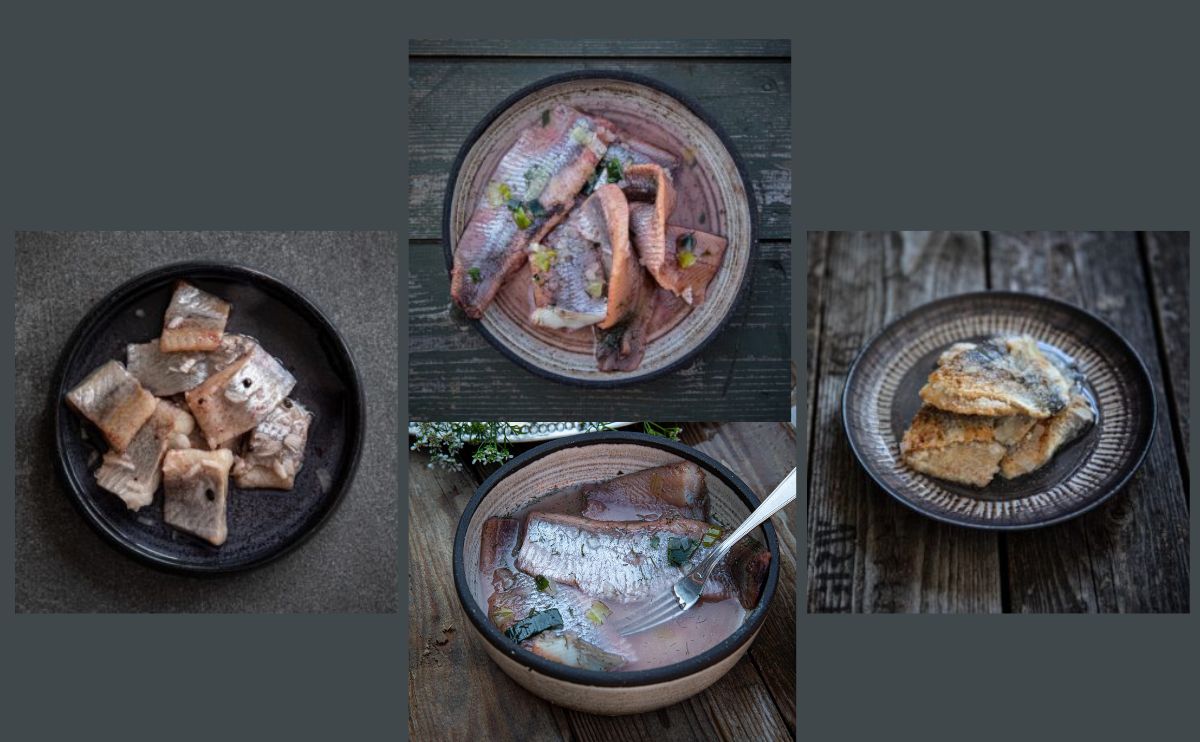
Nordic Herring – From the Tradition of Pickling to the Nordic Table

In Sweden, it is called sill. In Denmark and Norway, sild. The name differs, but herring remains one of the defining foods of Nordic culinary culture.
Today, it comes in many forms: traditionally pickled, with onion, mustard or dill, but also in combinations with curry, tomato, spices or creamy dressings.
Behind these flavours lies a much older tradition, born at a time when preserving fish was not a culinary choice, but a necessity.
The same fish. Three Nordic cultures. Many interpretations.
From necessity to tradition
Before modern refrigeration, Nordic communities needed reliable ways to preserve and transport fish.
Salting, drying, smoking and pickling therefore became a natural part of the region’s food culture.
In Sweden, pickled herring has been documented since the Middle Ages, when preservation was its primary purpose. Over time, what began as a practical solution developed into a culinary tradition.
Pickling, however, is about more than preservation. Time, acidity, salt, sugar and spices all influence the texture and create the characteristic balance between sweet, sour, salty and aromatic notes.
Necessity created the method. Generations turned it into tradition.
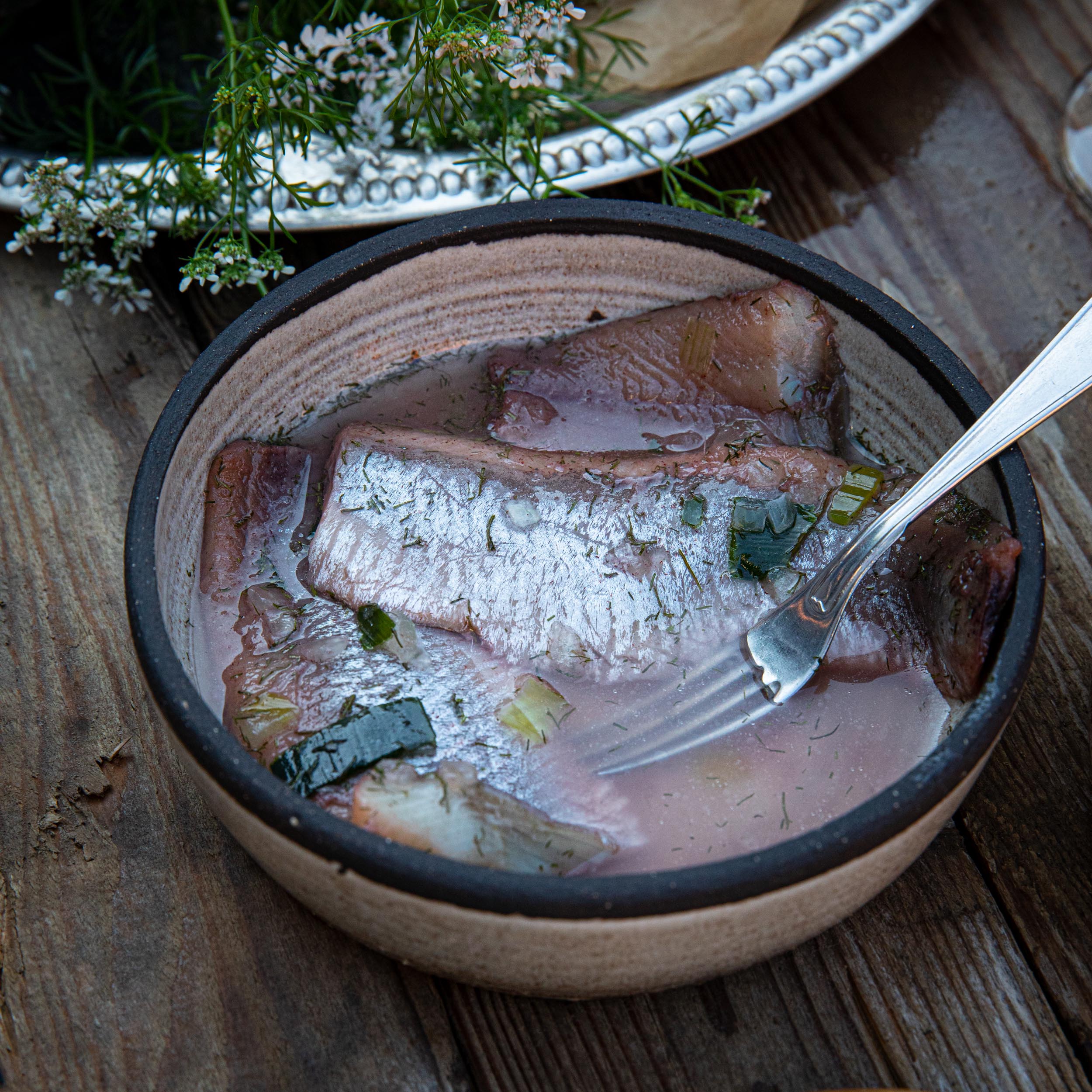
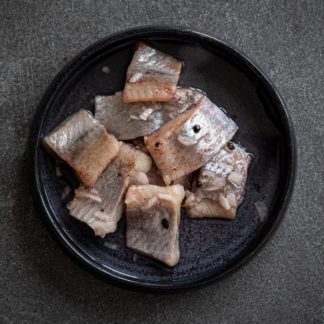
Sweden – sill and the Midsommar table
In Sweden, inlagd sill – pickled herring – is one of the classic dishes of the smörgåsbord, the traditional Swedish spread of various cold and hot dishes served together.
Midsommar holds a special place in Swedish culture. Celebrating midsummer, it is one of the country’s most important traditions and takes place each year around the summer solstice. Midsommarafton – Midsummer Eve and the main day of the celebration – always falls on a Friday between 19 and 25 June.
A traditional Midsommar table typically includes several varieties of sill, served alongside boiled new potatoes – färskpotatis – with dill, sour cream and chives.
Herring is also commonly served during Swedish Easter and Christmas celebrations.
There are many variations: with onion, mustard, garlic, dill, or in different combinations of spices and dressings.
That is why sill is not defined by a single recipe. It represents an entire family of flavours built around the same fish.
Denmark – sild and the culture of smørrebrød
In Denmark, sild is closely associated with lunch culture and one of the country’s best-known culinary traditions: smørrebrød.
Smørrebrød is the traditional Danish open-faced sandwich: a slice of rugbrød, a dense rye bread, topped with a variety of ingredients – from pickled herring and other types of fish to eggs, meat or potatoes.
When herring is used, classic combinations often include onion, capers and dill.
One of the best-known varieties is karrysild – herring in a creamy curry dressing, often served on rye bread and accompanied by ingredients such as red onion, apple, egg or dill.
It is a good example of how tradition can evolve without losing its identity. The essential character of the product remains recognisable, while its flavours and presentation continue to be reinterpreted.
Norway – sild, the sea and coastal communities
In Norway, the story of herring goes far beyond the table.
Rich herring stocks were of major economic importance to coastal communities, and the herring fishery also contributed to the development of Haugesund on Norway’s west coast.
At the table, sild is served in many different varieties.
Kryddersild is herring marinated with spices, sennepssild combines it with mustard sauce, while tomatsild is served in a tomato-based sauce.
During the Christmas season, julesild – traditional Christmas pickled herring – remains part of Norwegian culinary tradition and is often served on bread.
Here, the connection between the product and its origin is especially clear. Herring was not simply food. For many coastal communities, it was part of the economy, the culture and everyday life.
One fish, many flavours
One of the most interesting things about Nordic herring is how different it can become while starting from the same basic ingredient.
Onion, mustard, dill, curry, tomato, spices or creamy dressings – each combination can create a very different flavour profile.
Some varieties are fresh and tangy. Others are sweeter, more spiced or creamier.
But a good dressing should never overpower the fish. The herring itself, its texture and the balance of the marinade should remain at the centre of the dish.
That is why two varieties can start from the same base and still offer completely different experiences.
Nordic herring is not a single recipe. It is a tradition with many expressions.
Why herring belongs in the Nordic Prime selection
Nordic Prime does not select products simply because they come from the North.
We look for products with identity, tradition and a clear reason to be introduced to a new market.
Herring fits these criteria very well. It has authentic roots in Nordic food culture, many regional interpretations and a versatility that allows it to be served both traditionally and in contemporary culinary concepts.
For HoReCa – hotels, restaurants and catering – it can be used for appetisers, Nordic-style sandwiches, smørrebrød, platters, tastings or seasonal dishes.
A seemingly simple product can therefore open the door to very different culinary directions.
As the Nordic Prime selection is finalised, we will introduce the producers, exact origins and varieties selected for the Romanian market in dedicated features.

From the Nordics to Romania
Herring does not need to be reinvented or presented as an exotic curiosity.
It is more interesting than that.
It is a product with centuries of history, one that has changed its recipes and ways of serving without losing its place on Nordic tables.
Sill in Sweden. Sild in Denmark and Norway. Nordic herring selected for Romania.
Not simply because it comes from the Nordic region, but because it has an authentic tradition, a distinct identity and a diversity of flavours that explain why it remains relevant to this day.
Tradition tells the story. Taste explains why it has endured.