

Cold-smoked salmon (kallrökt) and hot-smoked salmon (varmrökt) differ in their preparation process, texture, flavour and the way they are used in cooking.
We are not talking about two levels of quality, but rather two different ways of bringing out the best in salmon.
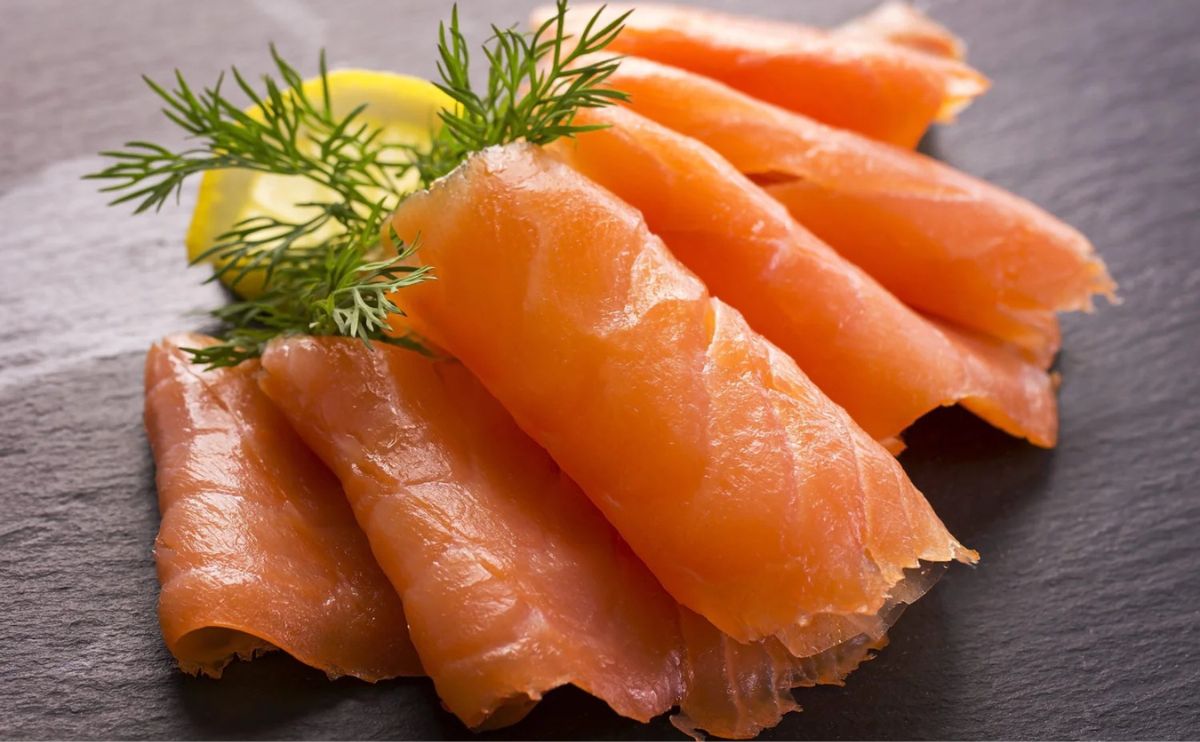
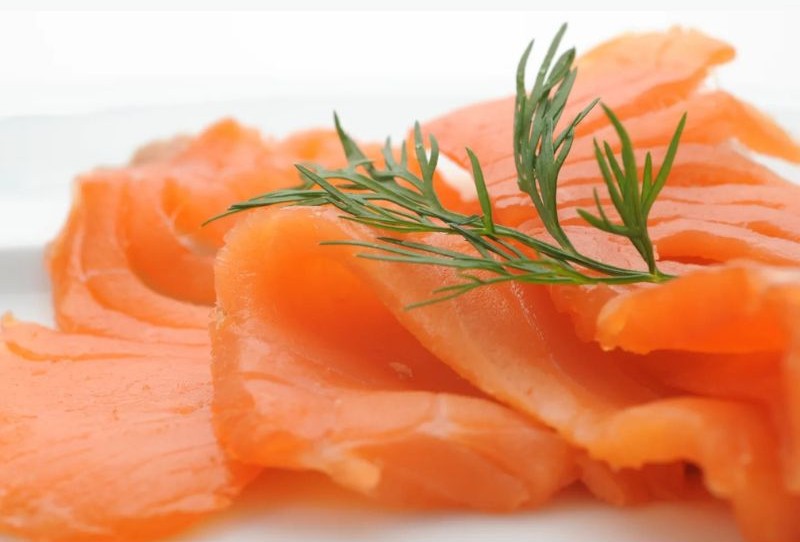
In cold smoking, salmon is exposed to smoke at low temperatures without developing the texture of heat-cooked fish. It retains a fine, firm structure and can be sliced thinly and evenly.
The character is delicate, and the smoky aroma should remain balanced so that the flavour of the salmon continues to be the main focus.
It is one of the classic products of Scandinavian cuisine and works particularly well in appetisers, cold platters, premium sandwiches, brunch, catering and HoReCa dishes where delicacy and presentation matter.
A well-made cold-smoked salmon does not try to impress with an overpowering smoky flavour. Balance is what defines its character.
Hot-smoked salmon offers a distinctly different experience from the very first bite.
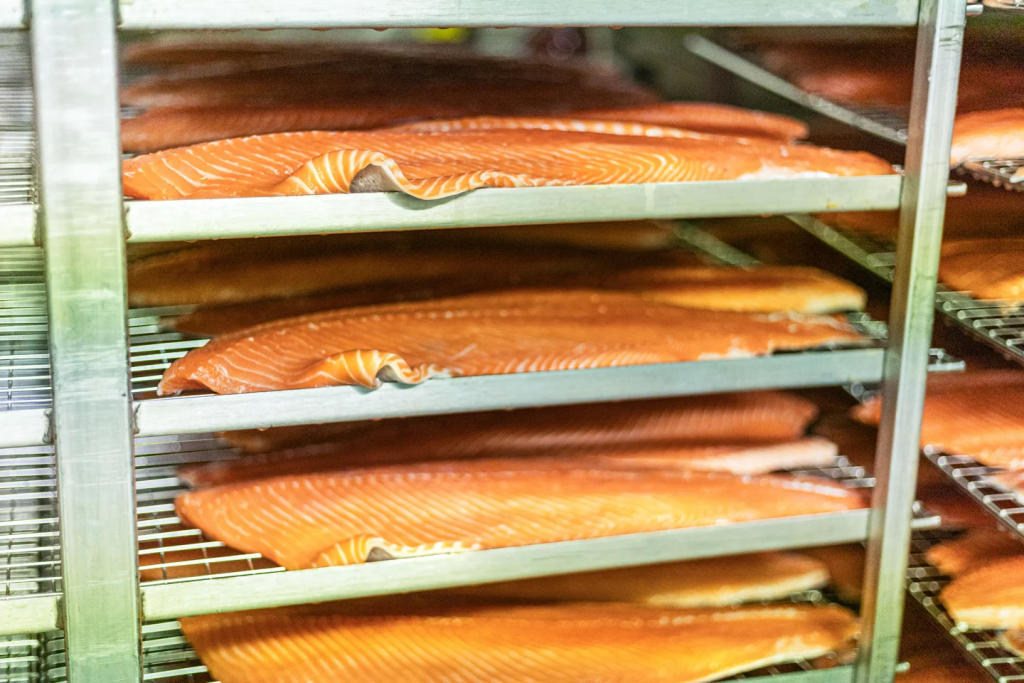
The higher temperature cooks the salmon during the smoking process and changes its structure. The flesh becomes tender, juicy and easy to flake, while the flavour profile is fuller and more pronounced.
Instead of the thin slices typical of cold-smoked salmon, hot-smoked salmon is usually served in pieces or portions that retain the natural structure of the flesh.
It can be enjoyed hot or cold and used in salads, sandwiches, platters, main courses, or served on its own when the salmon is intended to be the centrepiece of the dish.
| Cold-Smoked (kallrökt) | Hot-Smoked (varmrökt) | |
|---|---|---|
| Process | Cold smoking | Hot smoking |
| Texture | Fine and firm | Tender and juicy |
| Serving: | Thin slices | Pieces or portions |
| Character | Delicate and balanced | Fuller and more pronounced |
| Use | Appetisers, platters, sandwiches | Salads, sandwiches, main courses |
The difference is immediately noticeable in the texture, but it is best understood through tasting. Cold-smoked salmon emphasises delicacy, while hot-smoked salmon offers greater substance and intensity.
Neither replaces the other. They are different products, suited to different dishes and occasions.
A well-smoked salmon is not defined by how strongly it smells or tastes of smoke.
The result depends on the entire process: the quality of the raw material, preparation, salting, temperature, time and the experience of the person controlling the smoking process.
Smoke should enhance the flavour, not overpower the product. Too little can leave the salmon lacking character, while too much can mask exactly what should be brought forward.
That is why smoking is, above all, a matter of balance. And that balance is built through experience and consistent control of the process.

The choice depends on the dish and the experience you want to create.
For fine slices, appetisers, cold platters and dishes where a delicate texture is important, cold-smoked salmon is the natural choice.
For a more tender and juicy texture, substantial portions and dishes where the salmon should have a stronger presence, hot-smoked salmon offers a completely different character.
For a chef or HoReCa professional, the question is not necessarily “which one is better?”, but rather which of the two is better suited to the dish?
In the Nordic Prime selection, cold-smoked and hot-smoked salmon do not represent two different product classes.
Both start from the same foundation: good raw material, a controlled process and genuine smoking expertise.
The difference lies in what each method brings forward. One preserves the salmon’s delicacy and structure. The other develops its texture, juiciness and a fuller aromatic character.
The same raw material. Two methods. Two different expressions.
The method changes the product. Taste makes the difference.
No account yet?
Create an AccountWe use essential cookies for the website to function and, with your consent, cookies for analytics and other features. You can accept all cookies, refuse non-essential ones or set your preferences. You can change your choice later.
