


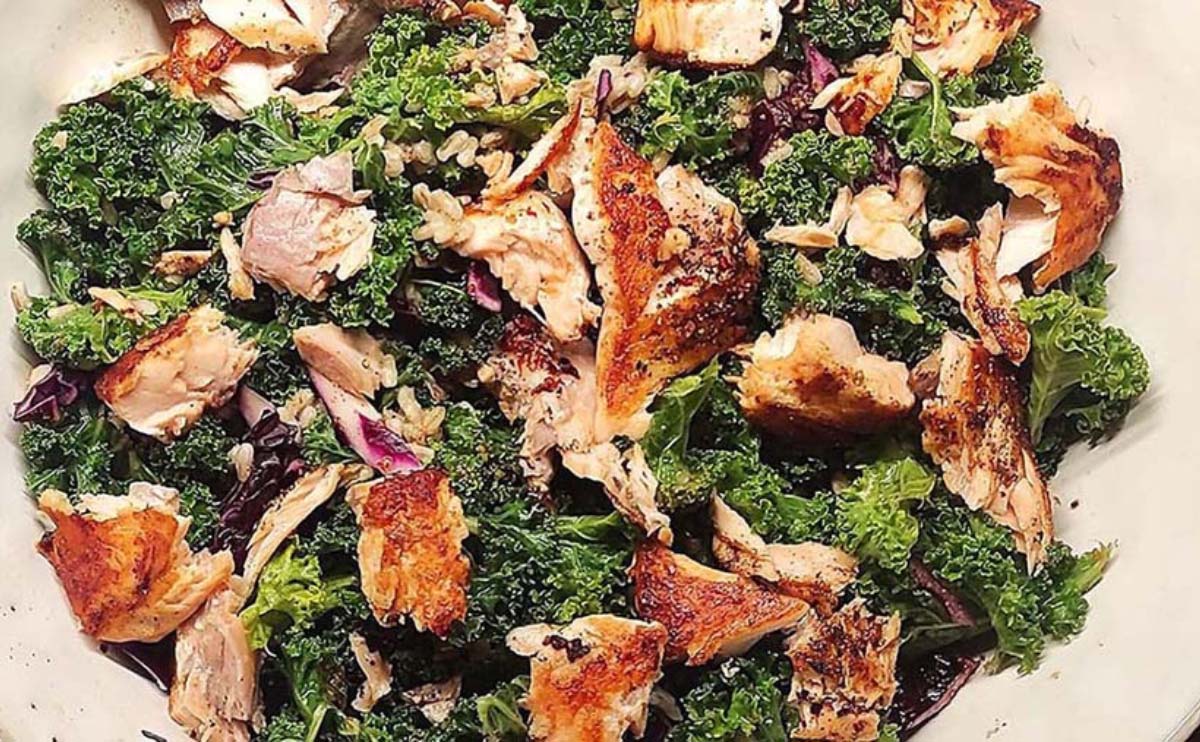
Healthy Nordic diet: what a new study shows about type 2 diabetes and fatty liver

Salmon, mackerel, rye, oats, berries, vegetables and rapeseed oil. These are characteristic ingredients of the Nordic diet and are also part of the dietary pattern examined in a clinical study conducted by researchers at Uppsala University.
The results suggest that a healthy Nordic diet, rich in fibre from whole grains, fruit and vegetables and low in saturated fat, may have beneficial effects in people with type 2 diabetes and fatty liver disease.
Three dietary patterns followed over one year
The randomised controlled trial included 150 people with type 2 diabetes or prediabetes. Participants were assigned to follow one of three dietary patterns for one year.
One of these was the healthy Nordic diet, described by the researchers as a Nordic version of the Mediterranean diet.
The recommended foods included:
- oats and rye;
- rye bread and knäckebröd;
- apples, pears and berries;
- cabbage and peas;
- almonds and rapeseed oil;
- mackerel and salmon;
- natural low-fat dairy products.
Across all three groups, participants also reduced their intake of red and processed meat, sugar-sweetened beverages, sweets and snacks with added sugar.
The Nordic diet surprised the researchers
The researchers expected all of the dietary patterns studied to have beneficial effects, but the results of the Nordic diet exceeded expectations.
Among participants with diabetes, the amount of fat in the liver decreased by just over 20%, while blood glucose control improved over the course of one year. More than half of the participants no longer had fatty liver disease.
The healthy Nordic diet also had favourable effects on body weight, inflammation and blood lipid profiles, and reduced signs of liver damage.
Another important finding was that weight loss explained only about 56% of the reduction in liver fat. According to the researchers, this suggests that the composition of the diet itself also contributed to the results.
It is not about a single food.
The results do not mean that salmon, mackerel or any other individual food, consumed on its own, can prevent or treat diabetes.
The research examined a complete dietary pattern followed for one year. The observed effects should therefore be considered in the context of the overall diet and not attributed to any single food.
The combination of whole grains, vegetables, fruit, fish and plant-based fats, together with a reduced intake of processed foods and added sugar, is what characterises the diet studied.
Fish in the Nordic diet
Fish plays an important role in Nordic cuisine, and salmon and mackerel were explicitly included in the Nordic diet examined in the study.
At the same time, Nordic cuisine includes a much wider variety of fish and seafood products, from salmon and herring to different traditional regional specialities.
For Nordic Prime, interest in this type of research is part of a broader perspective on Nordic food and cuisine. Product selection is based not only on taste, but also on origin, consistent quality, traceability, and clear information about the product and producer.
The Uppsala University study does not individually validate Nordic Prime products and should not be interpreted as a medical claim about them. However, it provides a relevant perspective on a Nordic dietary pattern in which fish, whole grains, vegetables and simple ingredients play an important role.
For Nordic Prime, accurate information is part of product selection: knowing what we offer, where it comes from, and who stands behind it.